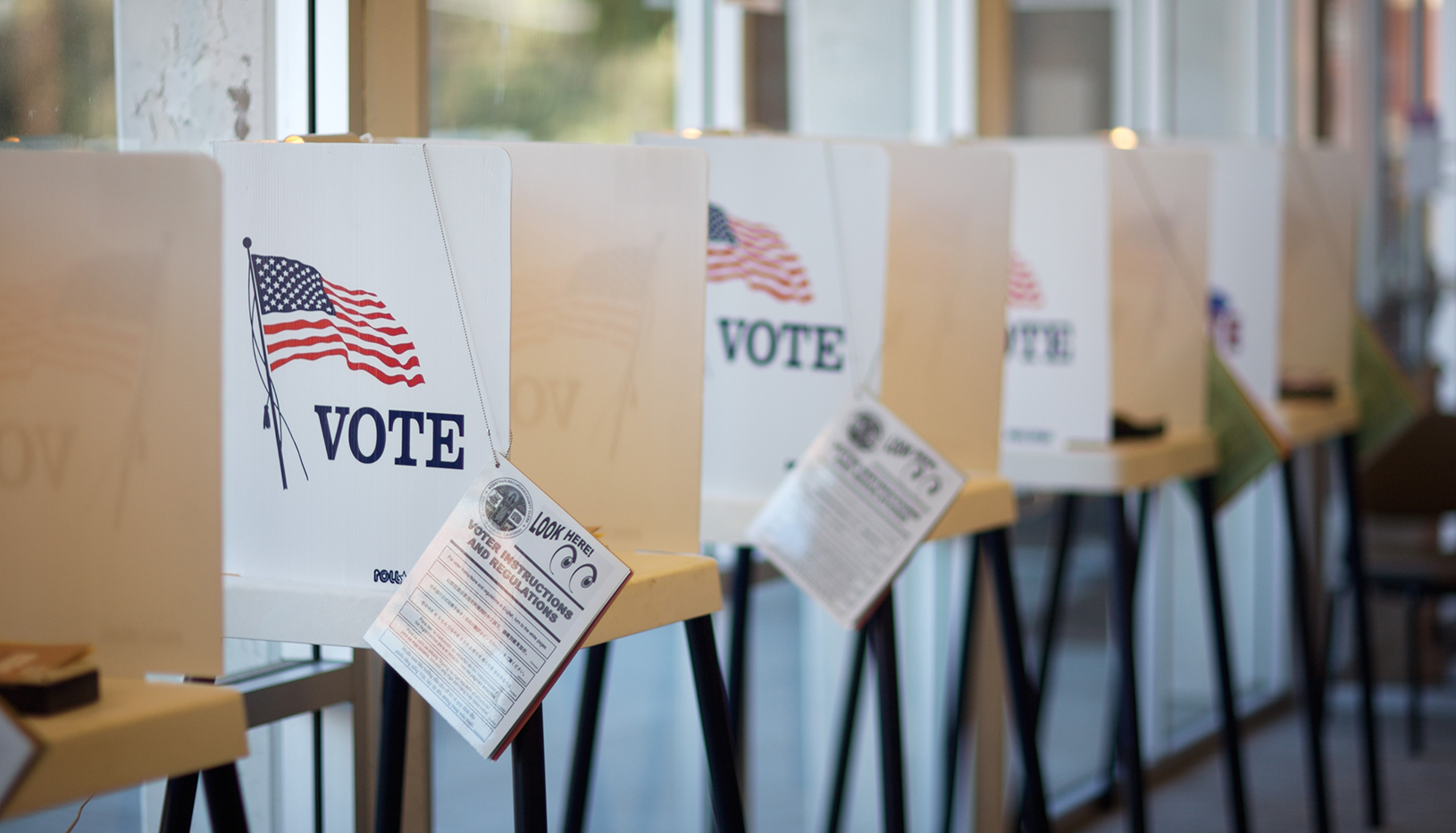
Certification — the statutory process by which officials sign off on the completion of election results — is usually an uncontroversial postelection formality. State laws have long established that officials have a mandatory duty to certify elections.
Despite this well-settled law, states across the country faced a new phenomenon following the 2020 presidential election. Dozens of rogue local officials nationwide refused or threatened to refuse to certify election results based on claims rooted in election denialism — the false idea that the 2020 election was stolen and that widespread fraud pervades our election system. Attempts to interfere with certification persisted throughout the 2024 election cycle, evolving into a vehicle to express disagreement or doubt as to any aspect of an election, including the outcomes of downballot races.
In each of these instances, state courts and officials intervened to protect the certification process. But the danger remains that rogue officials may attempt to interfere with the timely certification of this year’s midterm election results.
Fortunately, states have many legal tools available to respond to any certification issues that arise in November. The guides below for key battleground states, created by All Voting is Local, the Brennan Center, the Campaign Legal Center, and Protect Democracy, list these safeguards. An additional guide details the general safeguards that all states have to protect certification.