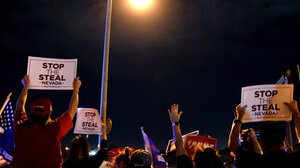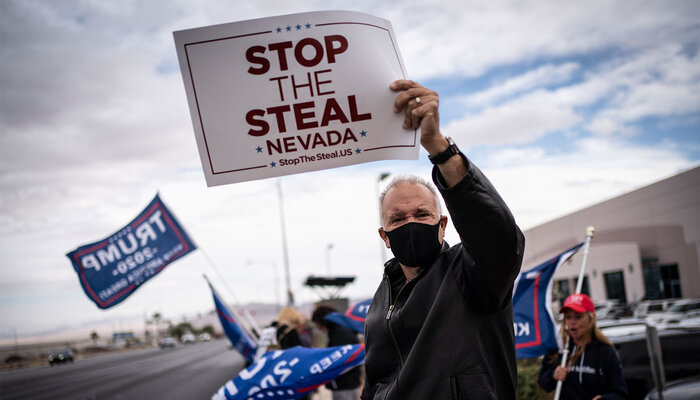


Since 2020, violent political rhetoric and thinly veiled incitement of intimidation have proliferated. Vigilante groups and individuals — fueled by the false narrative that the 2020 election was stolen — have perpetrated misguided and often antagonistic door-to-door canvassing, aggressive drop box monitoring and poll watching, and baseless mass voter challenges. Now the federal administration itself stands to intimidate election workers and voters, including by seizing ballots from the 2020 election, threatening to prosecute election officials, and refusing to rule out the possibility of unlawfully deploying federal troops or ICE agents to the polls. We expect such efforts to intimidate voters and election workers to continue this year.
This resource guide identifies the kinds of intimidating conduct that we think are most likely to occur and outlines legal tools to deter, mitigate, and respond to such tactics.
Federal and state laws are clear: Intimidation of voters, volunteers assisting voters, and election workers is illegal by anyone, including individuals, private groups, or federal officials. And these protections apply throughout the election lifecycle — including while registering to vote, assisting voters, casting ballots, counting ballots, and certifying results.
Jump to a section:
Blockading, Following, Menacing, or Shouting at Voters and Volunteers
Intimidation by Poll Watchers
Intimidation by Poll Workers
Intimidation by Door-to-Door Canvassers
Intimidation by Law Enforcement Officers
Intimidation through Online or Telephonic Targeting
Intimidation through Mass Voter Challenges
Guns at Polling Places
Harassing Election Workers Online and In Person