In national security policy, U.S. intelligence agencies often implement new measures following an emergency without evaluating whether the measures work or improve our national security policy.
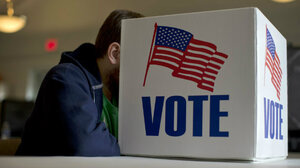
The recent bipartisan momentum on criminal justice reform includes restoring voting rights to people with past criminal convictions in the states. Minnesota provides the best example.
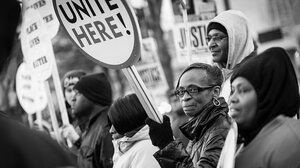
The conflicting narratives and media coverage of the recent protests demonstrates signs of progress in the coverage of criminal justice and a reminder of how far it has to go.
With the expiration of the Patriot Act fast approaching, Mitch McConnell wants to extend the NSA’s powers for another five years. This is out of touch with what Americans — and even Congress — want.
In his essay for Solutions: American Leaders Speak Out on Criminal Justice, Marco Rubio urges a review of our criminal code with an eye towards rationalizing the list of federal statutory and regulatory crimes, but thinks drug legalization is a bridge too far.
In his essay for Solutions: American Leaders Speak Out on Criminal Justice, Chris Christie argues for less pretrial detention, drug treatment instead of prison for nonviolent addicts, and more.
In the New York Daily News, Lawrence Norden writes that the Board of Elections must make one simple fix to curb unlimited campaign giving and bring more disclosure to New York politics.
More than 13 years after the U.S. intelligence community named terrorism prevention its number one goal, it still seems to have little understanding of what drives terrorism or how to counter it.